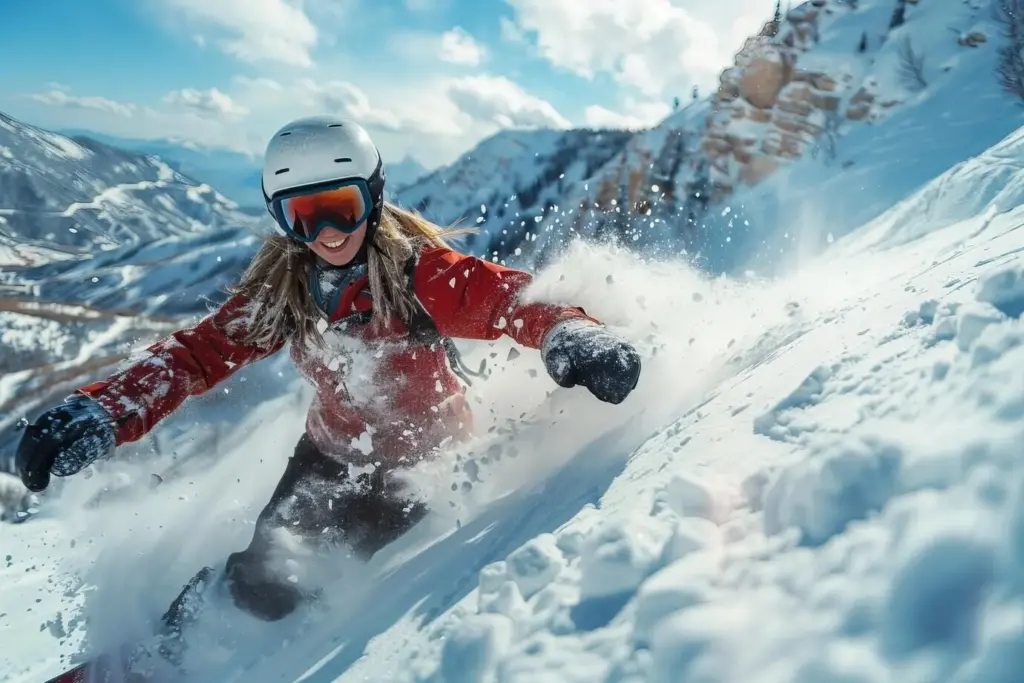
Ride the Rails to Fresh Snow, Spend Less, Shred More

Pack light, grab a window seat, and chase winter without punishing your wallet. Today we spotlight budget rail itineraries for short-break snowboarding, showing how night trains, smart connections, and walkable stations unlock maximum slope time with minimal cost. Expect practical routes, realistic timings, and thrifty lodging ideas, plus insider tactics for lockers, transfers, and food. Join a growing movement that favors low‑carbon travel, spontaneous weekends, and unforgettable turns, all powered by punctual timetables, flexible bags, and stoke that begins the moment the carriage doors slide open.

Choose Peaks That Love Trains

Not every mountain pairs gracefully with rail schedules, yet plenty deliver quick access, reliable snow, and bed-to-gondola convenience when you plan with intention. We weigh connection frequency, late arrivals, early Monday returns, and station proximity to lifts, so two riding days feel surprisingly full. Look for resorts whose transit maps, village layouts, and lift networks welcome board bags, late-night check-ins, and budget stays. With the right match, your weekend becomes an energizing sprint instead of a scramble, and the journey doubles as a restorative part of the adventure.

Tickets, Passes, and Small Tricks That Save Big

Your budget grows when you know how booking windows, reservation rules, and railcards interact. Advance fares on high‑speed routes typically drop weeks or months ahead, while night train couchettes balance rest and price better than private sleepers. Passes can be powerful, yet seat reservations and supplements change the math. Split tickets inside certain countries sometimes reduce costs, though cross‑border simplicity may be worth a few extra euros. Keep one flexible leg if storms demand adaptation, and always pair non‑refundable bargains with lodging that allows last‑minute adjustments.

Master the Booking Window

Mark calendars for major releases: many high‑speed lines open sales two to four months ahead, while popular night routes appear even earlier during peak seasons. Set fare alerts, compare adjoining days, and pounce when prices dip. Non‑refundable tickets can be your friend if your dates are settled, especially on outbound legs where timing matters most. For return legs, consider moderate flexibility so weather or legs‑burned realities don’t ruin the finale. Lock in seats near luggage racks, and always confirm minimum connection times before committing to ambitious changes.

When a Pass Beats Point‑to‑Point

If you’ll string together multiple journeys within a month, a flexible rail pass can undercut separate tickets, especially across borders. Factor in compulsory reservations on premium trains and the cost of sleepers or couchettes, which are extra. Regional day tickets sometimes beat passes for local hops, so compare carefully. Youth and senior discounts add another layer, and a half‑fare style card in certain countries can slash prices on spur‑of‑the‑moment rides. Do the spreadsheet math, including last‑mile buses and funiculars, before you press buy.

Board Bags, Seats, and Quiet Cars

Most European trains welcome snowboards as regular luggage, especially in soft cases that slide easily onto end‑of‑car racks. Keep edges covered, wax cured, and straps tightened to avoid snags. Choose a window seat near your gear for peace of mind, and respect quiet cars during late runs so fellow travelers rest. If changing in a city, allow generous margins to cross stations. Packing boots inside the board bag saves space, while a small daypack with valuables stays within arm’s reach for seamless security.

Night Moves for Maximum Slope Time

Leave after work, sleep as the rails hum, and wake within striking distance of the first lift. Night trains unlock astonishing efficiency, trading hotel nights for rolling rest and turning spare weekends into fulfilling mountain sprints. Align check‑in windows with late arrivals, use station showers or hostel facilities to freshen up, and stash bags in lockers before riding. On the return, decompress over scenery, journal highlights, and even handle remote work tasks. Done right, your journey becomes part refuge, part strategy, and part story to share.

Last‑Mile Logistics, Lockers, and Smoother Transfers
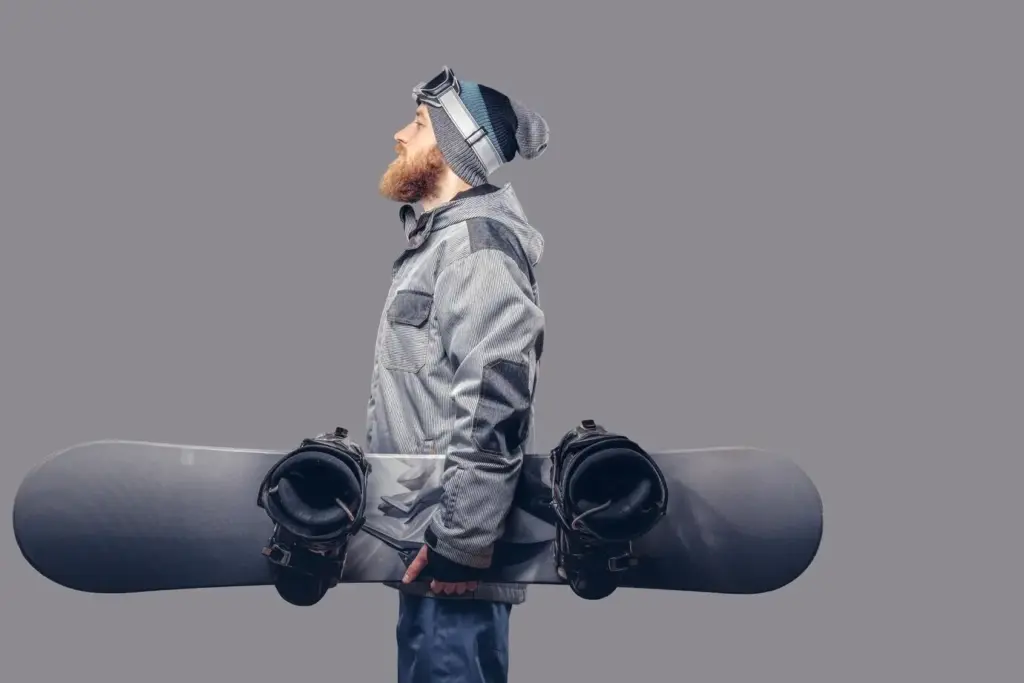
Nail the details that convert good plans into great weekends. Preload tickets and offline maps, screenshot platform numbers, and learn which stations hide stairs you’d rather avoid with a board bag. Scout funicular timetables, ski bus frequency, and the exact walking minutes from platforms to bed. Build cushions around the final connection, since mountain buses drift with weather and crowds. Lightweight shoes and a compact duffel keep transitions quick. Station lockers or left‑luggage counters add freedom, letting you ride until the final bell without hauling everything.

Sleep, Eat, and Après on a Shoestring

Affordable stays and simple meals protect your lift budget without dulling the joy. Prioritize lodging within a short walk of the station or bus stop, ideally near a supermarket and bakery. Hostels, pensions, and basic apartments often accommodate short bookings outside peak dates, especially if you arrive late and leave early. Cook breakfasts, pack slopeside snacks, and plan one celebratory dinner instead of nightly splurges. Seek bars with early happy hours and live music without a cover, then wrap in time to catch the first chair refreshed.

Beds Near the Platform

Ten minutes on foot can erase taxi costs, simplify late arrivals, and make dawn departures feel relaxed. Filter listings by distance to the station, read reviews about noise and heating, and confirm self‑check‑in for night access. Shared bathrooms are usually spotless in alpine towns, and kitchens save real money. If traveling with friends, a small apartment can beat multiple hostel beds while keeping everyone close to transit. Ask hosts about ski bus stops, drying rooms, and luggage storage, and request a quiet room away from nightlife.

Fuel Up Without Draining Funds

Grocery runs beat pricey mountain lunches. Build a routine: oatmeal with fruit, sandwiches with robust bread, cheese, and greens, plus nuts and chocolate for lifts. A compact thermos brings tea or broth warmth to cold chairs. Evenings, rotate one‑pot meals—pasta with vegetables, hearty soups, or rice bowls—so dishes stay easy. Try local bakeries for morale‑boosting pastries without resort markups. Hydrate constantly to ride stronger, refilling a reusable bottle at public fountains where available. These small habits add stamina, save cash, and preserve smiles.

Safety, Sustainability, and Good Manners on Rails and Snow

Tumovorezarixu
Privacy Overview

This website uses cookies so that we can provide you with the best user experience possible. Cookie information is stored in your browser and performs functions such as recognising you when you return to our website and helping our team to understand which sections of the website you find most interesting and useful.