Train-Ready Snowboarding: Pack Smarter, Travel Lighter

Today we’re diving into how to pack and transport snowboard gear on trains without stress or broken edges. From choosing the right bag to onboard storage hacks, you’ll learn practical steps, traveler-tested tricks, and tiny safeguards that make a big difference. Share your packing wins, subscribe for fresh tips, and let’s get your board, boots, and layers arriving dry, secure, and ready for first chair.

Pre-Trip Prep That Saves Time on the Platform

Start with a master checklist tailored to rail travel: dimensions, weight, and policy confirmations for your specific route. Test-carry your packed bag up stairs, around tight corners, and across wet floors. Label everything, photograph serial numbers, and pre-pack snacks, hydration, and a small tool kit. Check peak times, alternative car doors, and elevator locations. These tiny investments remove panic at boarding, leaving you calm, courteous, and fully focused on keeping your gear protected.

Protect the Board, Edges, and Base

Wax the base for travel protection, then buff to avoid oily residue on fabrics. Slip on edge guards or a simple cardboard sleeve around edges and tips. Pad the nose and tail with rolled layers or foam. Address small core shots beforehand; travel rattles rarely improve damage. A gentle detune at contact points prevents accidental snags on upholstery, cuffs, and straps while boarding crowded carriages in heavy jackets and gloves.

Bindings, Boots, Helmet, and Layers

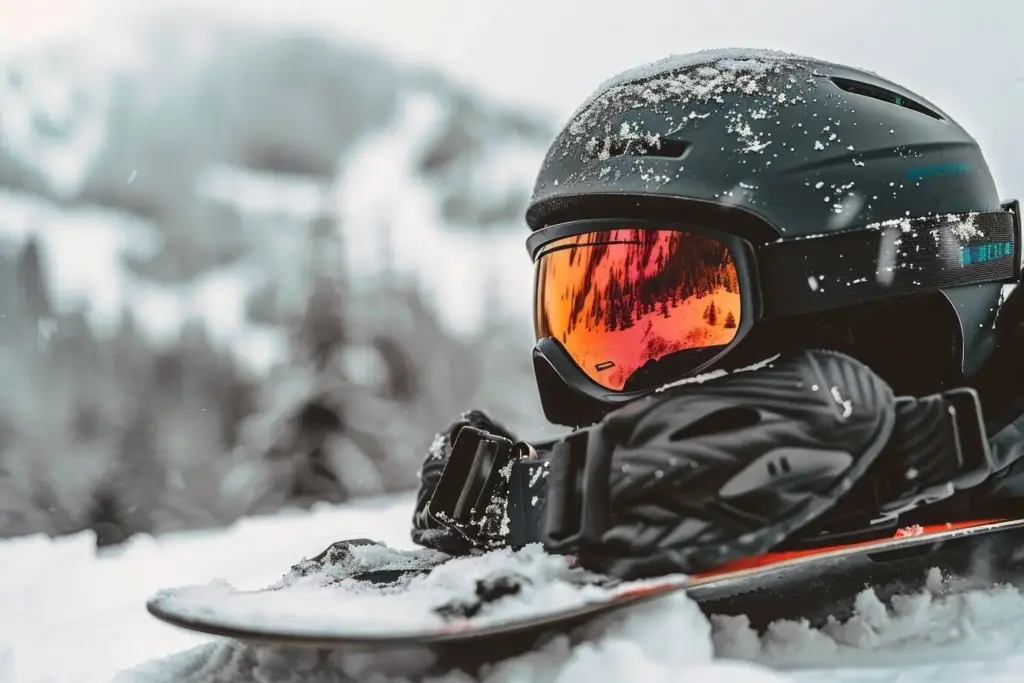
Either remove bindings or snug all hardware so screws don’t back out during vibration. Nest boots heel-to-toe inside the bag or carry-on to balance weight. Stuff your helmet with goggles, socks, and beanie; use a hard goggle case to prevent pressure cracks. Wrap sharp ratchets, tuck spare straps, and distribute insulating layers where they add cushioning. This creates shock protection, saves space, and speeds security or ticket checks.

Bag Choices and Packing Systems That Actually Work

Compare padded soft cases against hard shells based on platform terrain, stairs, and connection times. Wheeled soft bags glide through stations yet still compress under seats or racks. Use a two-layer system: board bag plus a daypack that docks securely. Add compression cubes for clothing, a ventilated sack for boots, and a small dry bag for electronics. Organized modules keep weight stable, speed repacking, and reduce frantic rummaging at busy stops.

Pick the Right Board Bag for Your Route

Match the bag length to your board with a little margin for padding. Seek sturdy wheels, a rigid rear plate, grab handles at both ends, and balanced shoulder straps. Separate boot compartments keep dirt away from clothing. Consider reflective piping for pre-dawn platforms and stormy arrivals. If you expect transfers without elevators, prioritize lighter construction and smooth-rolling bearings that hop curbs gracefully without jolting your edges or loosening hardware.

Compression, Cubes, and Dirty-Wet Separation

Color-code organizers so socks, base layers, and tools are instantly identifiable. Roll clothing tightly, cinch with internal straps, and split clean from damp with waterproof pouches. A breathable sack for boots prevents trapped odor and condensation. Stash deodorizing packets near gloves, and reserve a mesh sleeve for a quick-dry towel. Clear zones mean you can grab gloves mid-ride changeovers without exposing everything else, keeping the bag compact, clean, and quick to manage.

Weight Distribution and Carry Comfort

Place heavier items, like boots and tools, down near the wheelbase to prevent top-heavy wobble. Keep the center of gravity aligned with the pull handle. Tighten external straps evenly so the bag doesn’t bulge. Use a hip belt on longer walks; dock your daypack to the board bag to free a hand for tickets. Test your configuration with a five-minute practice walk, stairs included, to reveal pressure points and awkward handling.

Station Navigation and Onboard Storage Without Stress

Arrive early enough to scout elevators, ramps, and the shortest path from concourse to platform. Check the departure board for coach positions so you start near racks, not drag gear through full aisles. Break your carry into two manageable pieces before the train arrives. When doors open, angle the bag nose-first, mind the gap, and communicate clearly with fellow passengers. Calm movement and small courtesies keep everyone safe and your board unscuffed.

Weatherproofing, Security, and Mid-Journey Care

Winter trips mean melted snow, slush, and warm cabin air that drives condensation into fabrics. Line the boot area with a quick-dry towel, and keep a spare for seats. Zip essential pockets inward, away from aisle brushes. Add a simple cable lock when you visit the café car, and make your bag identifiable with bright tags. A few checks each stop prevent soaked layers, misplaced gloves, and the sad rattle of loose hardware.

Policies, Routes, and Seasonal Nuances Around the World

Regulations shift across countries and operators, especially during holiday peaks. Some lines require reservations for large items, others simply ask that gear be bagged and kept clear of aisles. Size gauges and luggage caps appear on certain platforms. Always check the latest web pages or call ahead, because rules change. Share your discoveries with fellow riders here, helping everyone navigate quirks like night-train compartments, commuter rushes, and limited racks on scenic routes.

Arrivals, Transfers, and Slope-Ready Unpacking

{{SECTION_SUBTITLE}}

Fast Exits and Stair Strategies

Short dwell times can surprise you, especially at small alpine stations. Stand by the door early, but without blocking the vestibule. Ask a fellow rider to spot the nose while you lift the tail down steps. Use side handles, not zipper pulls. If escalators are crowded, shoulder-carry in bursts. A deliberate pace keeps you safe, protects edges from railings, and avoids leaving a glove behind in the shuffle.

Local Transport: Buses, Trams, and Resort Shuttles

Validate tickets before boarding and keep your bag on its wheelbase to protect floors. Stand where the driver indicates, securing the tip so it doesn’t swing on corners. Watch heaters and door mechanisms near the nose. Offer seats to locals, smile, and stash poles or tuning tools so nothing pokes neighbors. Knowing transfer stops in advance and signaling politely keeps the vibe friendly, efficient, and worthy of a return visit.
Tumovorezarixu
Privacy Overview

This website uses cookies so that we can provide you with the best user experience possible. Cookie information is stored in your browser and performs functions such as recognising you when you return to our website and helping our team to understand which sections of the website you find most interesting and useful.